



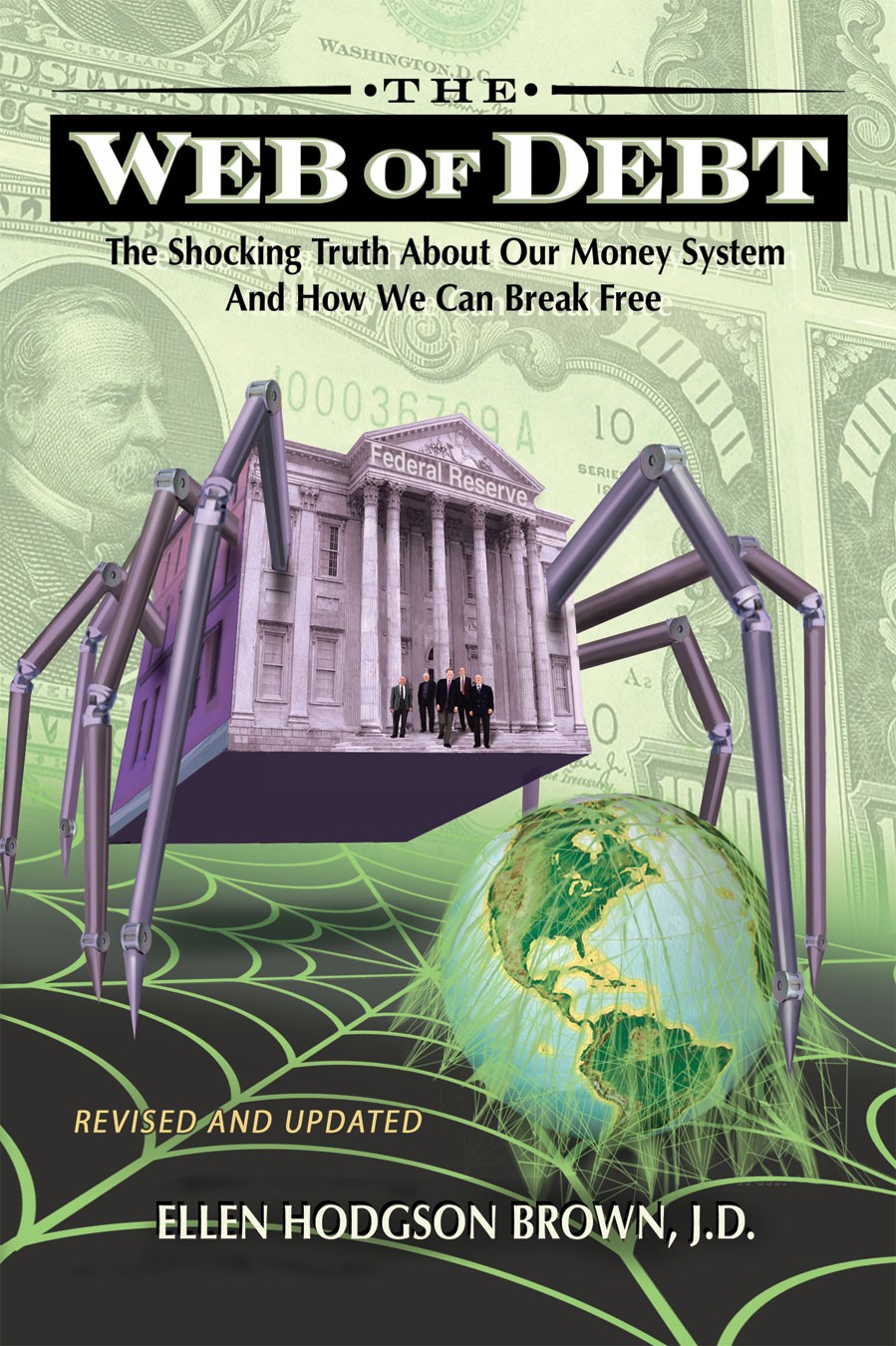
The U.S. national debt just passed $36 trillion, only four months after it passed $35 trillion and up $2 trillion for the year. Third quarter data is not yet available, but interest payments as a percent of tax receipts rose to 37.8% in the third quarter of 2024, the highest since 1996. That means interest is eating up over one-third of our tax revenues.
Total interest for the fiscal year hit $1.16 trillion, topping one trillion for the first time ever. That breaks down to $3 billion per day. For comparative purposes, an estimated $11 billion, or less than four days’ federal interest, would pay the median rent for all the homeless people in America for a year. The damage from Hurricane Helene in North Carolina alone is estimated at $53.6 billion, for which the state is expected to receive only $13.6 billion in federal support. The $40 billion funding gap is a sum we pay in less than two weeks in interest on the federal debt.
The current debt trajectory is clearly unsustainable, but what can be done about it? Raising taxes and trimming the budget can slow future growth of the debt, but they are unable to fix the underlying problem — a debt grown so massive that just the interest on it is crowding out expenditures on the public goods that are the primary purpose of government.
Borrowing Is Actually More Inflationary Than Printing
Continue readingFiled under: Ellen Brown Articles/Commentary | Tagged: Ellen Brown, federal debt, Federal Reserve, Greenbacks, Inflation, public banking, quantitative easing | 5 Comments »
 Among other items of interest on “It’s Our Money” this week, Ellen interviews Independent presidential candidate Scott Smith, who has a clever plan for eliminating austerity, income taxes and the federal debt without creating inflation. Archived
 WEB OF DEBT BLOG
Unaudited Power: The Military Budget Nobody Controls
The U.S. federal debt has now passed $37 trillion and is growing at the rate of $1 trillion every five months. Interest on the debt exceeds $1 trillion annually, second only to Social Security in the federal budget. The military outlay is also close to $1 trillion, consuming nearly half of the discretionary budget.
As a sovereign nation, the United States could avoid debt altogether by simply paying for the budget deficit with Treasury-issued “Greenbacks,” as Abraham Lincoln’s government did. But I have written on that before (see here and here), so this article will focus on that other elephant in the room, the Department of Defense.
Under the Constitution, the military budget should not be paid at all, because the Pentagon has never passed an audit. Expenditures of public funds without a public accounting violate Article 1, Section 9, Clause 7of the Constitution, which provides:
The Pentagon failed its seventh financial audit in 2024, with 63% of its $4.1 trillion in assets—approximately $2.58 trillion—untracked. From 1998 to 2015, it failed to account for $21 trillion in spending.
As concerning today as the financial burden is the wielding of secret power. Pres. Dwight Eisenhower warned in his 1961 farewell address, “In the councils of government, we must guard against the acquisition of unwarranted influence, whether sought or unsought, by the military-industrial complex. The potential for the disastrous rise of misplaced power exists and will persist.”
Continue reading →
Filed under: Ellen Brown Articles/Commentary | Tagged: Donald Trump, economy, Elon Musk, federal debt, history, military spending, news, Pentagon secrecy, politics, UFOs | 3 Comments »